Frank Riches’ Military Medal (see later)
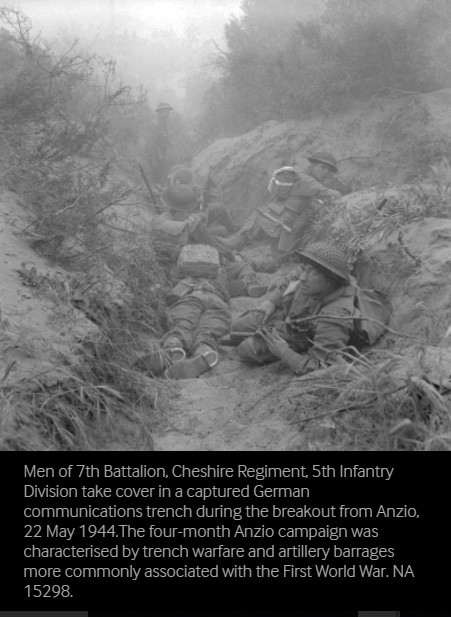
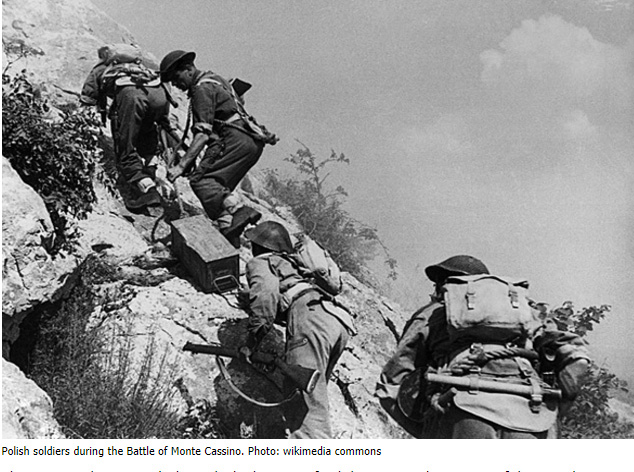
Whilst in no way denigrating those who rightly deserve to be called modern day heroes, it can sometimes seem that this title is nowadays conferred a little too lightly, especially by tabloid newspapers in search of a headline. When I went into the Star Inn as a young man sixty years ago, a majority of the men in there could have been said to be heroes but would have made no such claim. They were from a time when everyone “did his or her bit”. Four men could regularly be seen playing cards together. During the Second World War 1939-1945, one had been a navigator on Lancaster bombers, one had landed on the beaches at Anzio in Italy and fought his way through to Germany via Monte Cassino, a third an RAF pilot four years in a prisoner of war camp returning home half his normal weight and a fourth had been an anti-aircraft gunner in Malta. The latter island had been heavily bombed by the Luftwaffe on a daily basis. When others went to the shelters he had to stay at his post. He said little about it but I vividly remember that when he lit a cigarette, the hand holding the match would shake so violently he had to clench it with his other hand. At that time a veteran of the Great War who had lost a leg limped daily to the Manor where he worked as a gardener. He was always smiling with a kind word for everyone. I plucked up the courage to ask him about it. “Ah well, you see”, he said “I only lost a leg and many of my comrades lost their lives!” A local lad of barely eighteen, newly enlisted in the Wiltshire regiment, went up to the front before the Battle of the Somme. The soldiers told him that WILTS stood for “Will I live til Saturday?” He returned home badly injured but 20,000 of the men who were with him that morning didn’t live to see the sun set, let alone living until Saturday.
At this time when we stand in silence to remember those who didn’t return, we should also spare a thought for those who served and returned, often suffering mentally or physically, but are no longer with us. I therefore set out on the next page the stories of two local men, one who returned from the First World War and one from the Second.
Colin Wootton
(more…)